
Debra M.
Umatilla, FL · Patient for 11 months
Dr. Saad was the first person to actually check my thyroid before handing me anything. Two doctors before him told me to eat less. I wish I had come here first.
Physician-supervised, evidence-based obesity medicine. Personalized treatment plans combining medical evaluation, lifestyle medicine, lab monitoring, and FDA-approved medication options when appropriate. Built around your life, not against it.

Serving Lake County, The Villages and the surrounding Central Florida communities. Self-pay practice, transparent pricing, no surprise billing.
Essam Saad, MD
Internal Medicine · Lifestyle Medicine · Obesity Medicine

Common reasons patients come in, and an honest note on what this clinic does not offer.
We do not prescribe treatment without appropriate medical evaluation.
Weight rarely arrives alone. These are evaluated and managed as part of the same plan, in the same chart, by the same physician.
The conditions that travel with obesity, treated together rather than in silos. Treating weight often improves all of them at once.
Eating patterns, emotional and stress-driven eating, sleep and activity. The daily structures that quietly decide outcomes.
Thyroid and hormonal evaluation, PCOS and the endocrine contributors that are routinely missed without a physician.
Modern obesity medications are powerful tools, and like any powerful tool, they work best with the right hands guiding them. Weight care without medical oversight misses too much of the picture.
A typical online program
This practice
An online form
A 45-minute physician exam
No baseline labs
Metabolic & thyroid panel
Whoever is on shift
The same doctor each visit
Medication only
Medication + lifestyle medicine
No exit plan
Long-term partnership
The First Conversation · Intake visit, ~45 min
We sit down for the long version. Full medical and weight history, previous attempts, what's worked, what hasn't.
The Second Conversation · 4-week follow-up, ~15 min
The early weeks tell us a lot. We check what's working, what isn't, and recalibrate before small issues become big ones.
The Ongoing Conversation · Every 3 months, ~15 min
Obesity is a chronic condition. Sustained care looks like regular, unhurried check-ins for as long as you need them.
Sustainable weight care unfolds in three stages, each with a different purpose, each building on the last. This is what to expect from working together over time.
Medication is one tool among several, and never the whole plan. Which one fits depends on your labs, your other conditions, your tolerance and your goals, a decision made together, in person, after an examination.
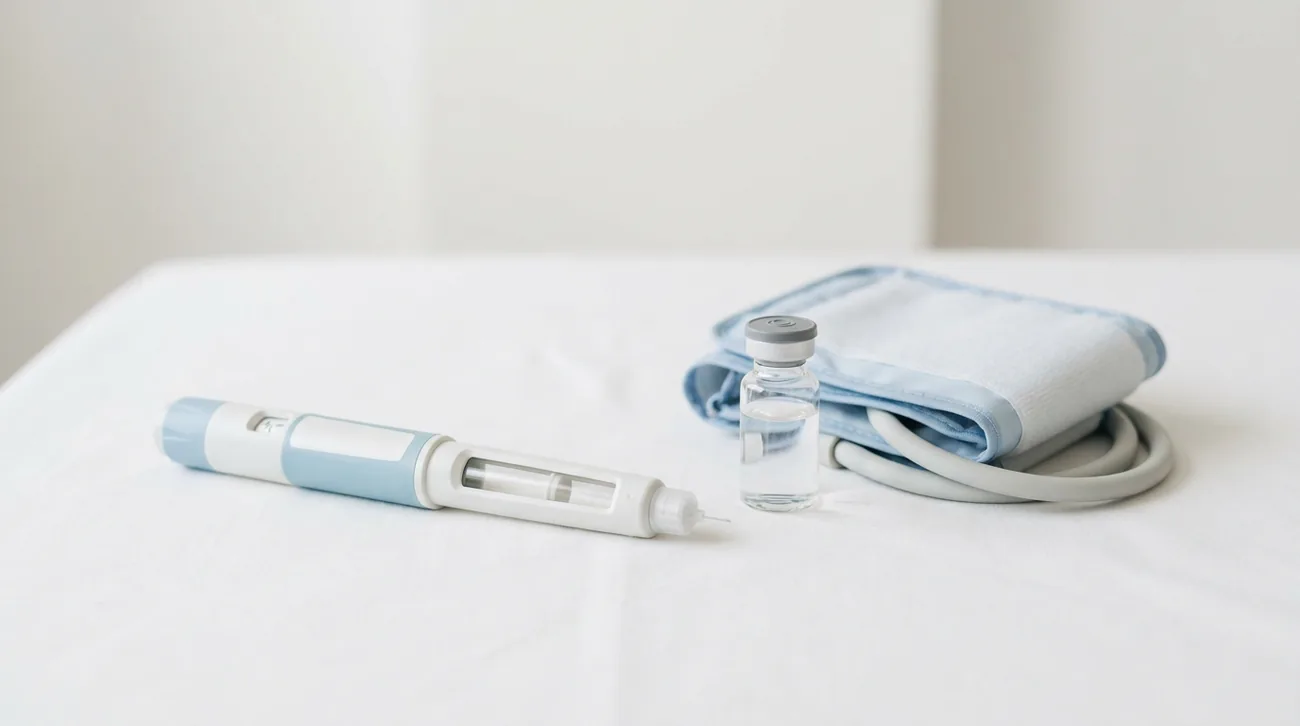
Appetite regulation and glycemic control, with steady dose titration.
Wegovy · Ozempic
Dual incretin therapy, associated with the largest average reductions.
Zepbound · Mounjaro
An oral option with a long track record and lower monthly cost.
Qsymia
Useful where appetite is driven by reward and craving pathways.
Contrave
A non-systemic option for selected patients and specific situations.
Xenical · Alli
Where insulin resistance or PCOS is part of the picture.
Off-label use
Important: Not every patient is a candidate for every medication. Eligibility, contraindications, side effects and cost are reviewed individually at your visit. Nothing on this page is a prescription or a substitute for a medical consultation.
Honest ranges drawn from the clinical literature, not marketing promises. Your own trajectory depends on your starting point, your metabolic picture and which treatment fits you.
9-18 lbs over 3 to 6 months
18-27 lbs over 6 to 12 months
27-40 lbs over 12 to 18 months
Ranges drawn from STEP, SURMOUNT, Look AHEAD, and DPP trials. Individual results vary and are not guaranteed. Eligibility and suitability are determined at your medical evaluation.
Drag any handle to compare. Meaningful change unfolds over 12 to 18 months of physician-supervised care, at a sustainable rate of about 1 to 2 pounds per week. Faster is not better.
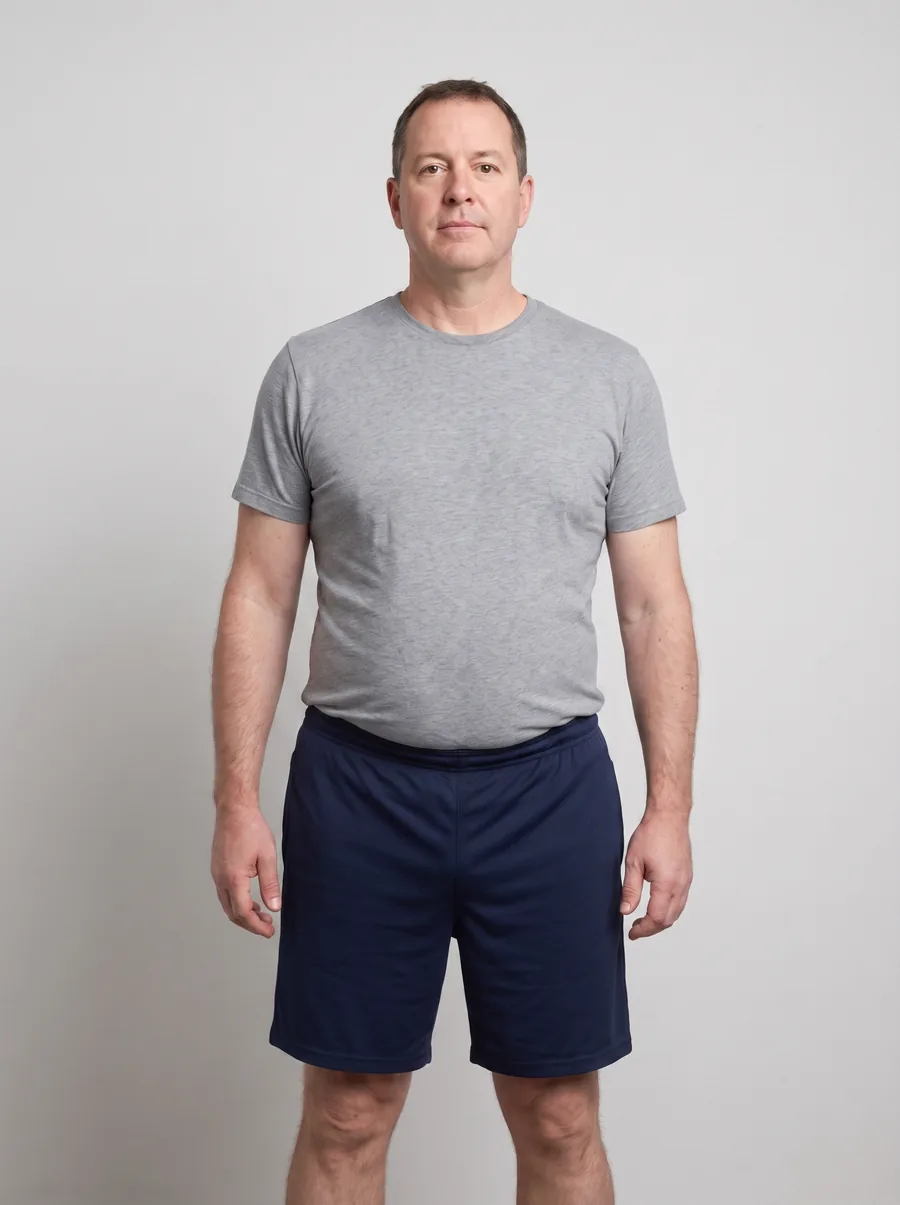
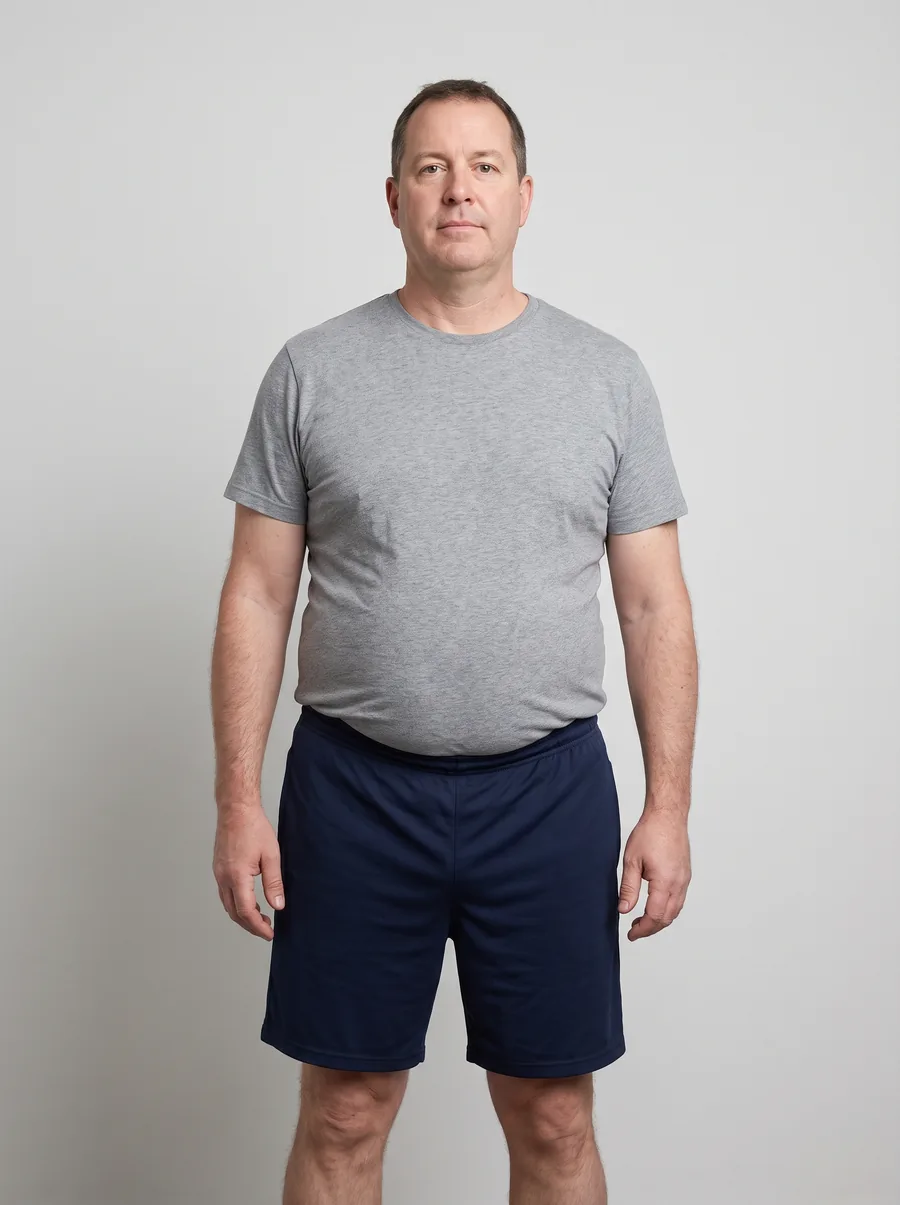




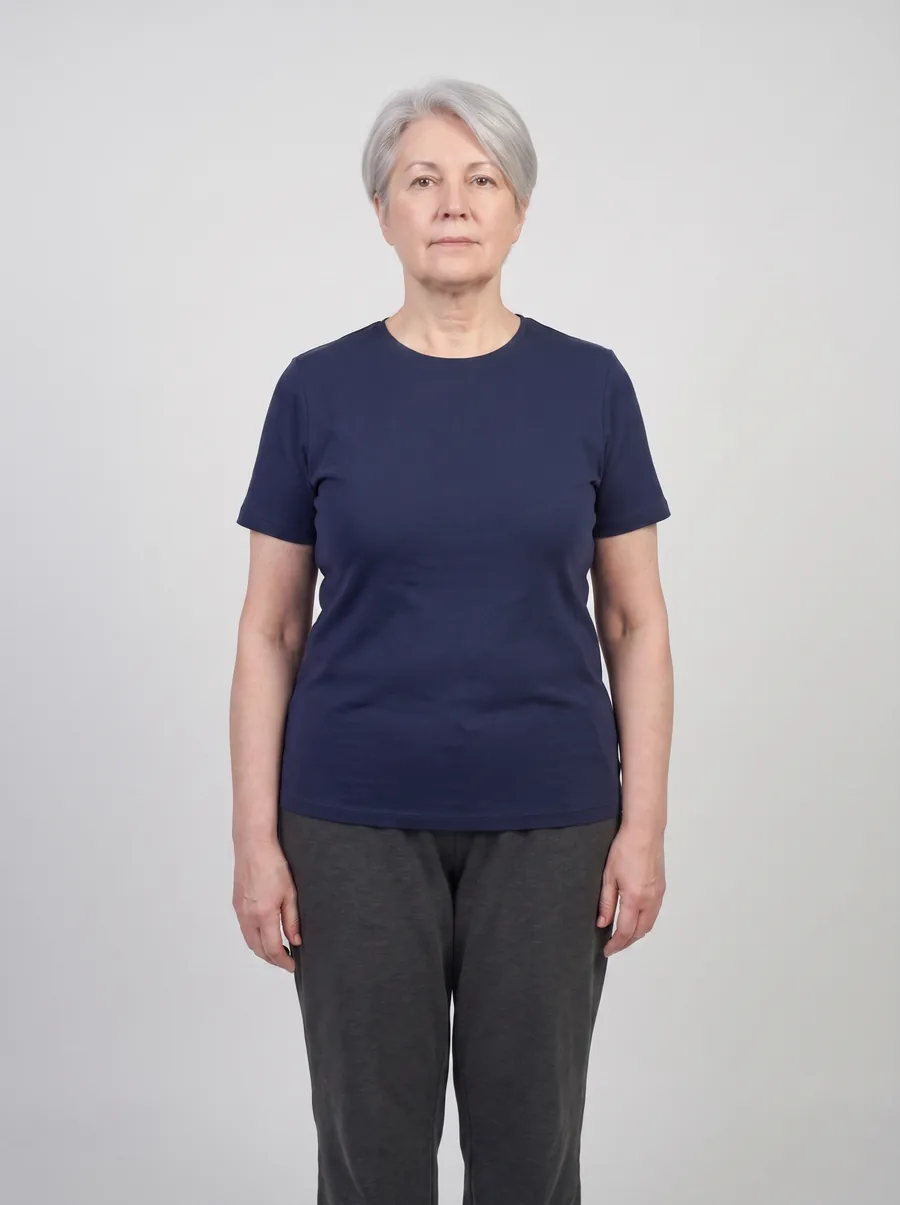
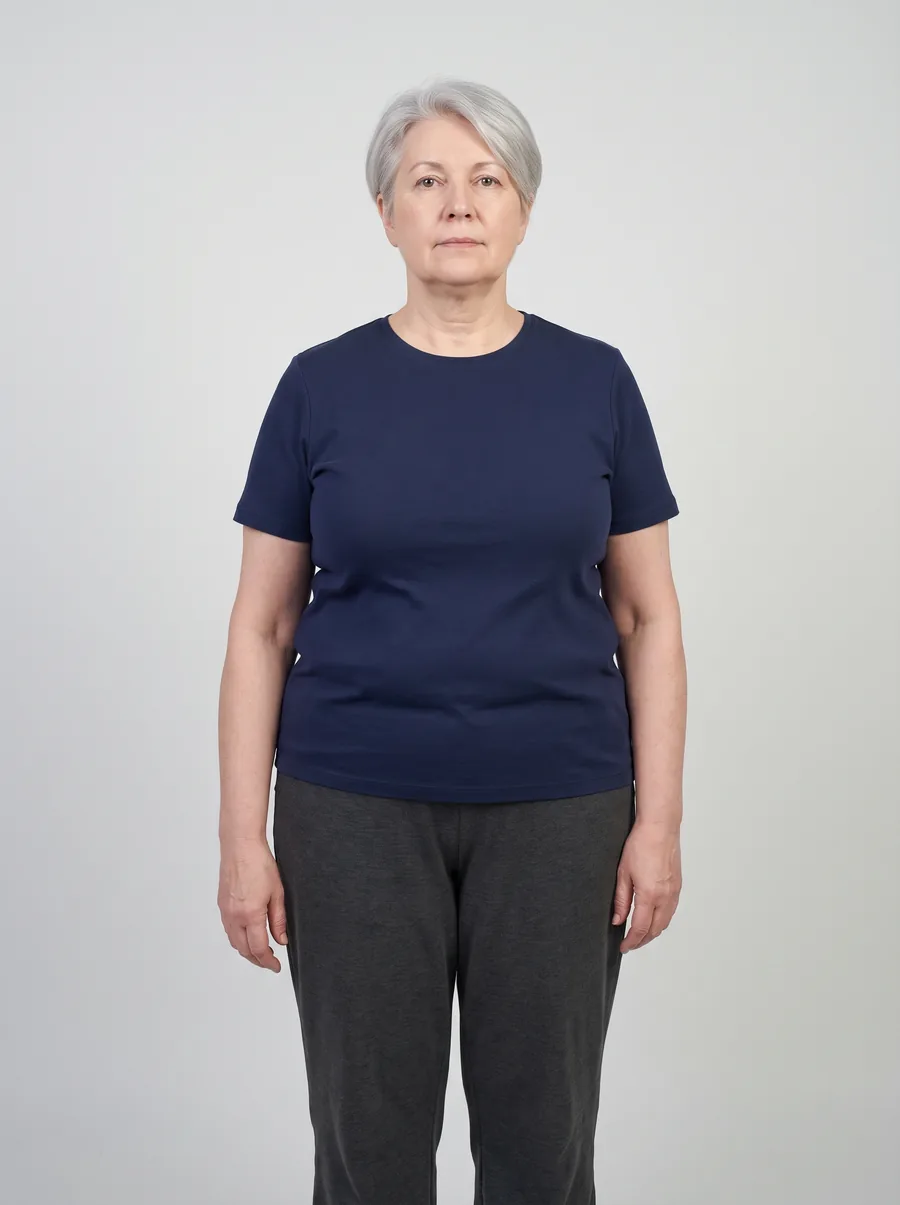
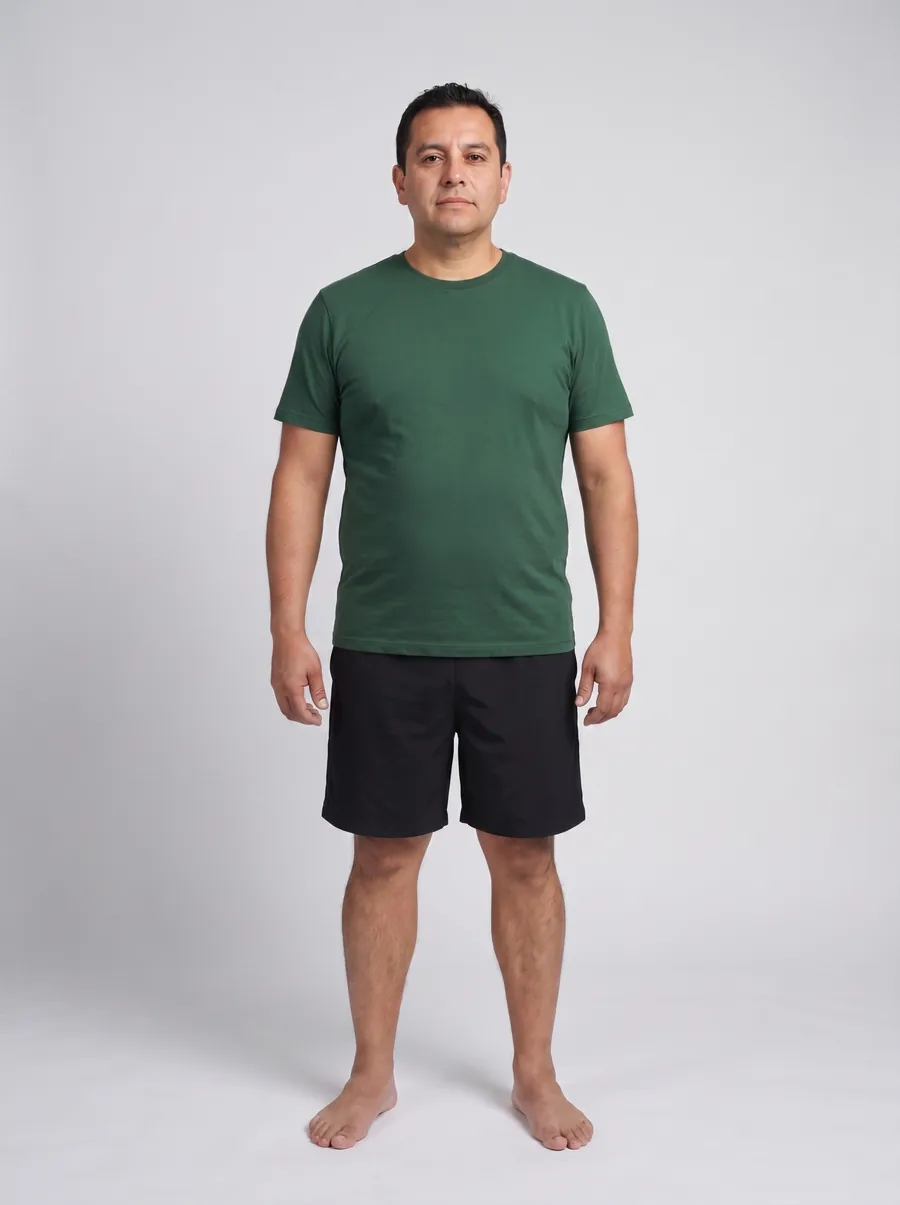
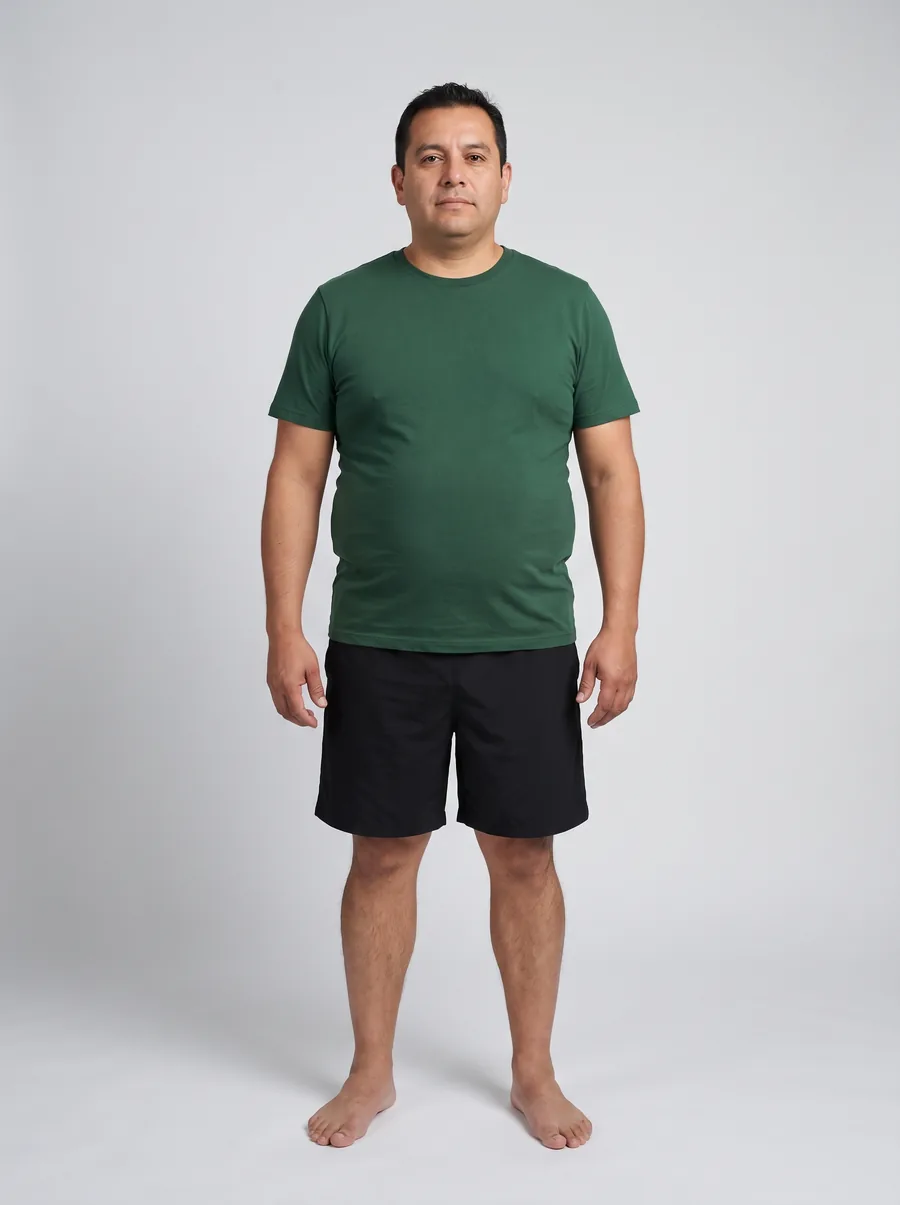
Your starting point is different from everyone else's.
What you can expect depends on your labs, your other conditions and which treatment fits you. That conversation happens at your first visit.
Book your first visitIndividual results vary and are not guaranteed. Treatment suitability is determined at a medical evaluation.
How patients describe working with Dr. Saad. Every review is published only with that patient's written permission, and first names are shortened to protect their privacy.
Umatilla, FL · Patient for 11 months
Dr. Saad was the first person to actually check my thyroid before handing me anything. Two doctors before him told me to eat less. I wish I had come here first.

The Villages, FL · Patient for 7 months
He told me up front what the medication would cost and that Medicare probably would not cover it. No surprises later. I appreciated being treated like an adult.

Weirsdale, FL · Patient for 14 months
I have been overweight my whole life and I have been made to feel bad about it in almost every exam room I have sat in. Dr. Essam never once did that. He explained why my body fights back, and for the first time it did not feel like my fault.
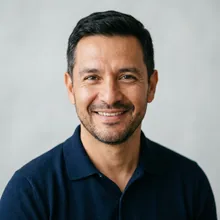
Eustis, FL · Patient for 5 months
The first visit was 45 minutes and he actually used all of it. Full history, labs ordered, nothing prescribed until the results came back.

Mount Dora, FL · Patient for 9 months
I stalled around month four and panicked. Dr. Saad had already warned me it would happen and we adjusted. Down 31 pounds now and my blood pressure is back to normal.

Lady Lake, FL · Patient for 16 months
My diabetes and my weight finally get treated by the same doctor instead of two offices that never talk. My A1c is the lowest it has been in a decade.
BMI cannot see muscle, fat distribution, metabolic health or family history. It is a screening tool, useful for opening a conversation, never sufficient for closing one. Move the sliders to see where you sit today.
Your estimated BMI
At 5′8″ and 180 lb, your BMI is 27.4. This is often the point where lab work, metabolic evaluation and a conversation about treatment options make the most difference, well before complications appear.
This calculator is for general information only and is not a diagnosis. BMI does not account for muscle mass, body composition or metabolic health. Treatment eligibility is determined at a medical evaluation.
No membership tiers, no hidden add-ons and no surprise billing. One monthly range that covers the medical care itself, explained in full before anything begins.
Typical monthly range
per month · typical range; specifics confirmed at intake
What this covers
This is a self-pay practice. Prior authorizations are submitted where appropriate, and manufacturer cash-pay programs are discussed at your visit so you can compare real costs. Medicare and Medicaid coverage for weight-loss treatment remains limited, you will be told that up front, not after you have started.
Under the federal No Surprises Act, you have the right to receive a written Good Faith Estimate of expected charges before scheduled care if you are uninsured or choosing not to use insurance. Ask us for one at any time, or request it when you book, we will provide it in writing. If your final bill is at least $400 more than your estimate, you may dispute the charge.
Answered plainly, with the research behind them. Sixteen questions, no sales pitch.
GLP-1 and GLP-1/GIP medications have been used for nearly two decades, originally for type 2 diabetes and more recently for weight management. Research across more than 15,000 patients in the STEP and SURMOUNT trial programs has shown sustained, clinically meaningful weight loss with a manageable side-effect profile. Cardiovascular outcomes data from the SELECT trial showed a roughly 20% reduction in major cardiovascular events in patients with obesity and existing heart disease. No medication is risk-free, but the safety profile is now well-characterized after years of real-world use.Research noteSTEP-1 (NEJM 2021), SURMOUNT-1 (NEJM 2022), SELECT trial (NEJM 2023).
The most common are mild and early: nausea, indigestion, constipation, occasional reflux. These almost always improve over the first 4 to 8 weeks as the body adapts and with careful dose titration. Less common but real: gallbladder issues, pancreatitis (rare), and dehydration if vomiting goes unmanaged. Most of the internet anxiety, "Ozempic face" and excessive muscle loss, is really about how fast weight is lost rather than the medication itself. Slower titration, adequate protein, and resistance training mitigate most of these concerns.Research noteSide-effect profiles documented across STEP and SURMOUNT; muscle-mass guidance from the AGA Clinical Practice Update on Pharmacological Interventions for Obesity (2022).
Honest answer: most patients regain a meaningful portion of the weight when GLP-1 medications are stopped abruptly. The STEP-4 extension study showed roughly two-thirds of weight loss returned within a year of discontinuation. This isn't a willpower failure, it's the biology of how these medications work on appetite-regulating hormones. For many patients, obesity is treated more like hypertension: long-term medication is part of long-term control. We discuss this openly from day one so your long-term plan is yours, not imposed.Research noteSTEP-4 extension (JAMA 2022); Obesity Medicine Association position on obesity as a chronic disease.
Some lean-mass loss happens with any significant weight reduction, whether diet, surgery, or medication. With GLP-1s, the proportion of lean mass lost is similar to other methods, typically 20 to 25% of total weight lost. The strategies that protect muscle are well-defined: adequate protein (roughly 1.2 to 1.6 g per kg of goal body weight), resistance training 2 to 3 times per week, and slower titration of the medication. We monitor for this and build it into the plan.Research noteBody composition analyses from SURMOUNT and STEP trials; AGA practice guidance on protein and resistance training during pharmacotherapy.
The FDA-approved threshold for most anti-obesity medications is a BMI of 30 or higher, or 27 with at least one weight-related condition such as diabetes, hypertension, sleep apnea or dyslipidemia. BMI is one screening tool, not the entire picture. Waist circumference, family history, metabolic labs, and overall health context all factor into the right plan. The conversation is always individualized.Research noteFDA labeling for semaglutide, tirzepatide, and combination agents; AACE/ACE Obesity Algorithm.
Yes, and for a real, biological reason. Repeated weight cycling is not a character flaw. It's the body's biological defense of its highest weight, driven by hormones like leptin, ghrelin, and GLP-1 itself. Research has shown that diet alone fails long-term in roughly 80% of patients, not because of weak willpower, but because the body adapts metabolically and hormonally to defend prior weight. Anti-obesity medications work at exactly the level where diets fail: appetite signaling and metabolic adaptation. That's the difference.Research note"Long-term persistence of hormonal adaptations to weight loss" (NEJM 2011); Obesity Society clinical practice guidelines on obesity pharmacotherapy.
These conditions often travel together with obesity, and treating obesity often improves them, sometimes substantially. Many medications used in obesity medicine, especially GLP-1 agonists and metformin, treat both directions at once. The DiRECT trial showed that significant weight loss can lead to remission of type 2 diabetes in a meaningful subset of patients. For PCOS, weight reduction can restore ovulation and improve fertility. We treat these together, not in silos.Research noteDiRECT trial (Lancet 2018); Endocrine Society guidelines on PCOS; ADA Standards of Care in Diabetes.
Most patients see initial weight loss within 4 to 8 weeks. The full medication dose is typically reached over 3 to 5 months through gradual titration, and significant weight loss (10 to 20% of body weight) usually unfolds over 6 to 12 months. Faster is not better. A sustainable rate of about 1 to 2 pounds per week protects muscle, minimizes side effects, and is more likely to last.Research noteTime-to-clinically-meaningful-weight-loss curves from STEP and SURMOUNT; AGA practice update on pharmacotherapy.
Plateaus are expected, not a sign of failure. They typically appear every 6 to 12 weeks as the body adapts metabolically, what researchers call adaptive thermogenesis. Strategies depend on the cause: medication dose adjustment, protein and resistance training tweaks, sleep optimization, addressing a missed thyroid or hormonal driver, or simply patience and trust in the protocol. Plateaus are a normal part of the partnership, not the end of it.Research noteAdaptive thermogenesis is well-characterized in the Obesity Society clinical practice guidelines; AACE Obesity Algorithm includes plateau-management strategies.
For most patients with obesity as a chronic condition, yes, much like treating hypertension or diabetes long-term. The medication is not a 6-month diet pill. Some patients can eventually transition to lower maintenance doses, or off medication entirely while sustaining their loss with lifestyle strategies. Many won't, and that is medically reasonable. The major medical societies, including the Obesity Medicine Association, AACE and the Obesity Society, all recommend treating obesity as a chronic disease that may require ongoing management. We decide the long-term plan together, transparently.Research noteObesity Medicine Association and AACE position statements on chronic disease management; The Obesity Society clinical practice guidelines.
The typical cadence is an intake visit (about 45 minutes), a follow-up at 4 weeks (about 15 minutes) to check tolerance and adjust the dose, then every 3 months thereafter while on therapy. Some patients need closer monitoring early on, for example during fast dose titration, when starting alongside diabetes or blood-pressure medications, or when side effects are active. The schedule flexes with where you are in treatment.
The obesity medicine program is a self-pay practice. The monthly program fee covers physician consultations, prescription management, counseling, and ongoing follow-up, all delivered directly, without going through insurance for visits. Cash and credit card are accepted. The medication itself is billed separately by your pharmacy or through manufacturer cash-pay programs, and insurance coverage for the medication is handled directly with your insurer.
Coverage for anti-obesity medications varies by plan. Some commercial insurers cover medications like Wegovy and Zepbound when documented medical criteria are met; others do not. Medicare currently does not cover anti-obesity drugs purely for weight loss, though coverage may apply for related conditions such as type 2 diabetes (Ozempic, Mounjaro) or obstructive sleep apnea in adults with obesity (Zepbound). Florida Medicaid coverage is also limited. Most patients should plan to verify benefits directly with their insurer before starting.
Yes. Prior authorizations are submitted when a medication requires one and your clinical picture supports it. We document the medical criteria, including BMI, weight-related conditions, prior treatment attempts and lab findings, that insurers typically require for approval of anti-obesity medications.
If coverage is denied, we discuss alternative FDA-approved medications, manufacturer savings programs, and other options. Appeals are pursued when there's a reasonable clinical case. We don't pretend insurance always cooperates, but we work the problem with you.
Yes. Manufacturer cash-pay programs (LillyDirect for Zepbound, NovoCare for Wegovy) are reasonable alternatives for some patients and are discussed openly when relevant. The medication monthly cost through these programs varies; verifying current pricing directly with the manufacturer is recommended before starting.
Serving Umatilla, Weirsdale, Eustis, Mount Dora, Leesburg, Lady Lake, The Villages and the surrounding Lake and Marion County communities.
Obesity medicine visits are currently available on Mondays at both locations · New patients welcome
If you are weighing up whether the program is right for you, send a note and the office will get back to you. Ready to start? Booking a first visit is the faster route.
Book your first visitBooking takes about two minutes. No referral and no lengthy paperwork, just an unhurried medical conversation about what is actually going on, and what can be done about it.
This website is not for medical emergencies. If you are experiencing a medical emergency, call 911 or go to your nearest emergency department. Do not use this site, the booking form or email to report urgent symptoms, they are not monitored continuously.
Essam Saad, MD, Doctor of Medicine. Primary specialty: Internal Medicine. Florida medical license #ME-000000 (to confirm before publishing). Practicing at Umatilla Family Practice and Weirsdale Family Health Center, Florida.
Certified by the American Board of Internal Medicine (Internal Medicine), the American Board of Obesity Medicine (Obesity Medicine) and the American Board of Lifestyle Medicine (Lifestyle Medicine). Certifying boards to be confirmed before publishing.
Weight-loss outcomes vary between individuals. The ranges shown on this site are averages reported in published clinical studies and are not a promise, guarantee or prediction of your result. Your outcome depends on your clinical picture, adherence and other factors.
The content on this website is general health information for educational purposes only. It is not medical advice, diagnosis or treatment, and viewing it does not create a physician-patient relationship. Always speak with a qualified provider about your own situation.
Medications are named for educational purposes and are prescribed only after an individual medical evaluation. Not every patient is a candidate for every medication. Some medications, including metformin for weight management, are prescribed off-label. Brand names are the property of their respective manufacturers and are used for identification only.
Your health information is protected under HIPAA. Please do not send personal health details through this website or by email, those channels are not secure. Our Notice of Privacy Practices explains how your information is used, disclosed and protected.
This practice complies with applicable federal civil rights laws and does not discriminate on the basis of race, color, national origin, age, disability or sex. Free language assistance services and auxiliary aids are available on request, please call the clinic.
We are working to keep this website usable for everyone, including people using assistive technology. If you encounter a barrier or need information in another format, call the clinic and we will provide it another way.
Front desk assistant
Answers from the practice's own information
Not medical advice and not monitored continuously. For a medical emergency call 911.